Insights from the Speakers
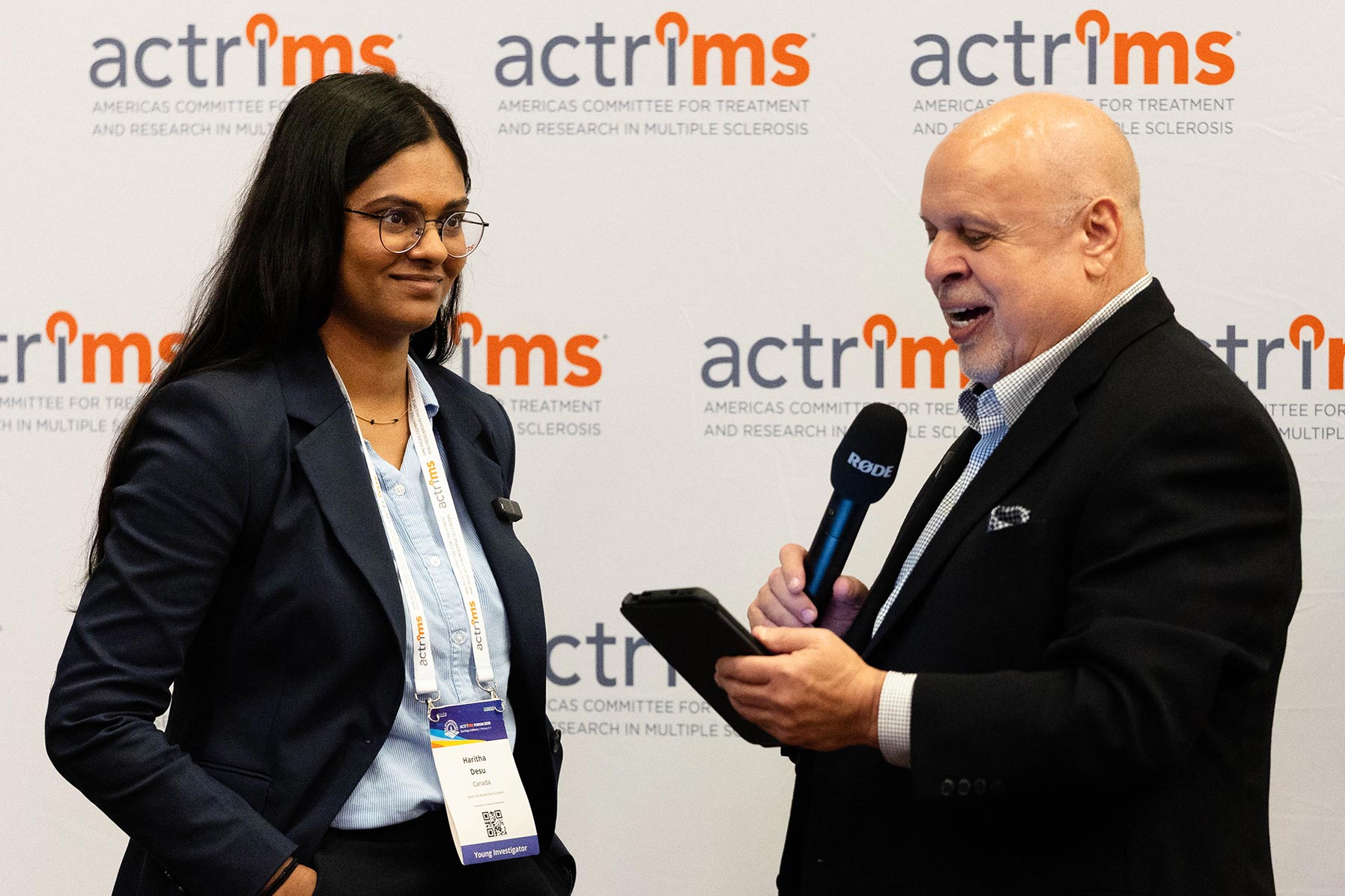
As our speakers prepare for MSToronto2026, we asked them what attendees can expect—from the key insights they’ll share to the ideas they hope will spark conversation and connection.
See what they had to say and get a glimpse of what’s ahead at MSToronto2026.
Research Highlights
Explore the key insights our speakers will share in their sessions, from emerging discoveries and innovative approaches to developments that could shape the future of multiple sclerosis research and care.
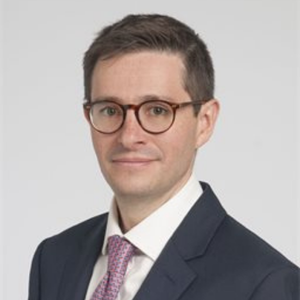
Daniel Ontaneda
- United States
Understanding the MS disease course as not a fixed classification, but different states which may relate to underlying biological mechanisms of relapse biology and progression biology.
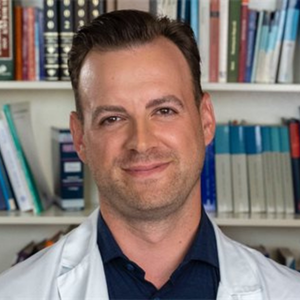
Gabriel Bsteh
- Austria
I will discuss how OCT can be applied in clinical practice to identify optic nerve involvement and support the diagnosis of multiple sclerosis, while also informing prognosis and treatment choice. I will focus on diagnostic thresholds, quality control requirements, and the interpretation of inter-eye differences, as well as common pitfalls and differential diagnoses.
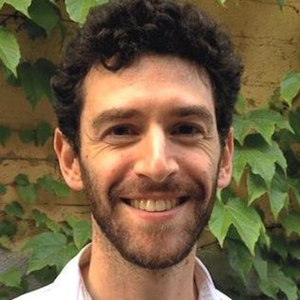
Julien Cohen-Adad
- Canada
MRI is evolving from a tool for detecting lesions to a platform for quantitative biomarkers that can measure tissue damage, repair, and disease progression. I’ll discuss how advances in MRI physics and AI can help make these biomarkers robust, automated, and ready for routine clinical use.
Nick Cunniffe
- United Kingdom
I’ll be discussing the latest developments in remyelination therapy, drawing on the lessons learned from a series of recent clinical trials. The most important insight is this: we now have consistent evidence, across several independent trials, that promoting remyelination in people with MS is genuinely achievable. And encouragingly, we’re beginning to see signals that this repair translates into real protection of the underlying nerve fibre, including associations between remyelination and markers of axonal health such as neurofilament light chain. This matters because it points to a credible route for preventing neurodegeneration and changing the trajectory of progressive disability, not just managing relapses.
Read More
And encouragingly, we’re beginning to see signals that this repair translates into real protection of the underlying nerve fibre, including associations between remyelination and markers of axonal health such as neurofilament light chain. This matters because it points to a credible route for preventing neurodegeneration and changing the trajectory of progressive disability, not just managing relapses.

Philip De Jager
- United States
People at high risk of MS can be identified among first-degree relatives. Part of MS risk involves variation in CNS development (CNS vulnerability) and neuroglia cell responses to peripheral immune cell signals.
Tomas Kalincik
- Australia
Our day-to-day practice has a lot to teach us about how to reduce the intensity of MS therapy when appropriate. In my talk, I will summarise the evidence from registries and cohorts that help us guide discontinuation and de-escalation of disease-modifying therapies.
Key Takeaways
What is the one idea our speakers hope attendees will take away from their sessions? Discover the messages they hope will stay with you beyond MSToronto2026.

Anna He
- Australia
High quality healthcare for people with MS is not a one size fits all. Ironically, those who are most able to afford high-intensity healthcare are the people who least need it. Needs-based resource allocation is a central tenet of universal healthcare, which in MS means focusing resources on vulnerable or high risk groups whose outcomes are modifiable with High-quality healthcare.
Frauke Zipp
- Germany
Novel insights into pathologic mechanisms provide new targets for new therapeutic avenues since the chapter of therapy development is a success story, yet, gradually accumulating neurodegeneration and disability progression is still difficult to tackle. And it is the most important feature for people with multiple sclerosis and related autoimmune disorders.
Kerstin Hellwig
- Germany
Being confident in counselling patients with MS in various phases of family planning.
Maria Houtchens
- United States
Advanced planning for major life changes (pregnancy, breastfeeding, etc.) is the best way to relieve stress and anxiety, for both providers and patients.
Sandra Vukusic
- France
Women living with MS remain women first. As neurologists, we should be able to anticipate and accompany our female patients in the different steps of their lives, from puberty, contraception, through family planning and assisted reproduction, to menopause. Everything is possible, we just need more awareness from healthcare professionals and patients.
Read More
Everything is possible, we just need more awareness from healthcare professionals and patients.
Tjalf Ziemssen
- Germany
We do not need to collect more data simply because we can. Every digital measurement should have a clear destination, a clinical meaning and a pathway back to the person who generated it. A mature MS Learning Health System transforms each assessment into a useful signal, each clinical encounter into an opportunity to learn, and that new knowledge into better care for the next patient. The future is therefore not a collection of disconnected apps and registries, but an integrated system that continuously turns data into decisions; and decisions into better outcomes.
Read More
A mature MS Learning Health System transforms each assessment into a useful signal, each clinical encounter into an opportunity to learn, and that new knowledge into better care for the next patient. The future is therefore not a collection of disconnected apps and registries, but an integrated system that continuously turns data into decisions; and decisions into better outcomes.
Global Perspectives
Hear what our speakers are most looking forward to at MSToronto2026 and why coming together with colleagues from around the world matters to them.
Alessandro Cagol
- Switzerland
MSToronto2026 is a unique opportunity to stay up to date with a rapidly advancing field, exchange ideas with colleagues from around the world, and foster collaborations that can ultimately improve the care of people with multiple sclerosis.
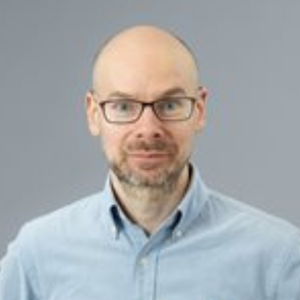
Øivind Torkildsen
- Norway
MSToronto2026 brings together clinicians, researchers, and people with diverse perspectives on multiple sclerosis at a time when the field is moving rapidly. Attending is valuable because it creates opportunities to critically evaluate new evidence, exchange ideas across disciplines, and identify which scientific advances are most likely to improve prevention, treatment, and care for people with MS.
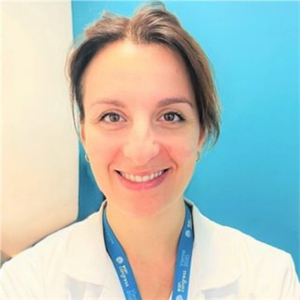
Serena Borrelli
- Belgium
Attending MSToronto2026 provides a unique opportunity to learn about the latest advances in multiple sclerosis research, exchange ideas with experts from around the world, and engage in meaningful discussions that can shape the future of the field. As our understanding of MS biology continues to evolve, meetings like MSToronto2026 are essential for bridging scientific discoveries with clinical practice and improving personalized approaches to diagnosis and care.